Mary Branson is best known for her large-scale light works and installations, particularly the iconic ‘New Dawn’ sculpture in the Houses of Parliament, which celebrates the centenary of the Suffrage movement. It is the first permanent piece of contemporary art in the Palace of Westminster. She has also created light and sound works for the London 2012 Olympics, Royal Holloway University, Salisbury Cathedral and ‘Harvest’ - a huge site specific installation at Box Hill, Surrey, highlighting the plight of farmers facing climate change.
Mary enjoys the challenge of using landscape and architecture as a backdrop to site-determined pieces. She often works with large teams of volunteers to help her realise her ambitious use of scale and finds the shared ownership of the community an important part of her artistic process. As many of her installations are temporary, Mary’s projects encompass elements of performance, photography, film and sound as forms of documentation.
Mary also produces smaller scale works in glass and ceramics. Her work is rooted in a sensitivity to landscape, politics, and the passage of time —often transforming architectural and natural settings into spaces of collective reflection.
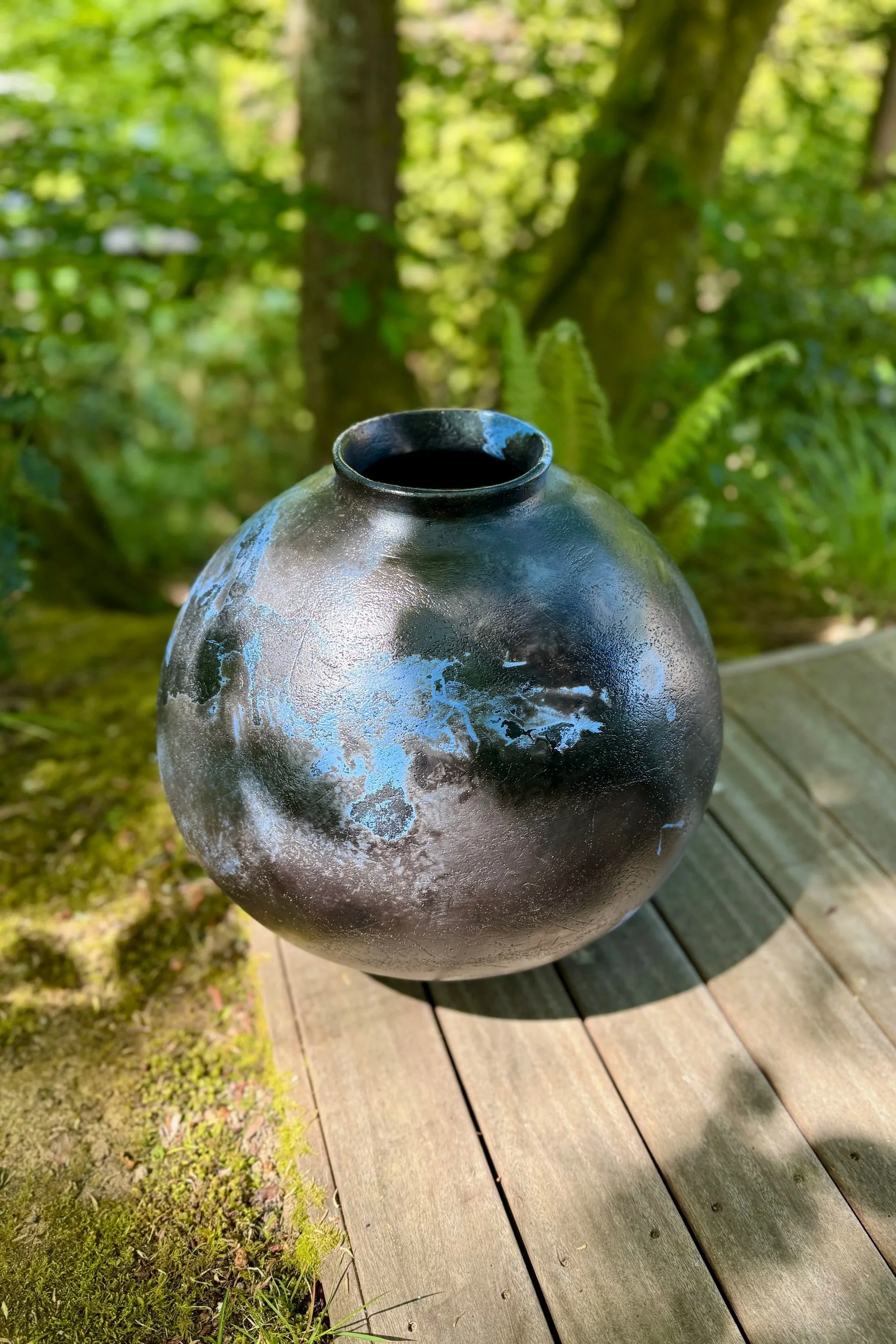
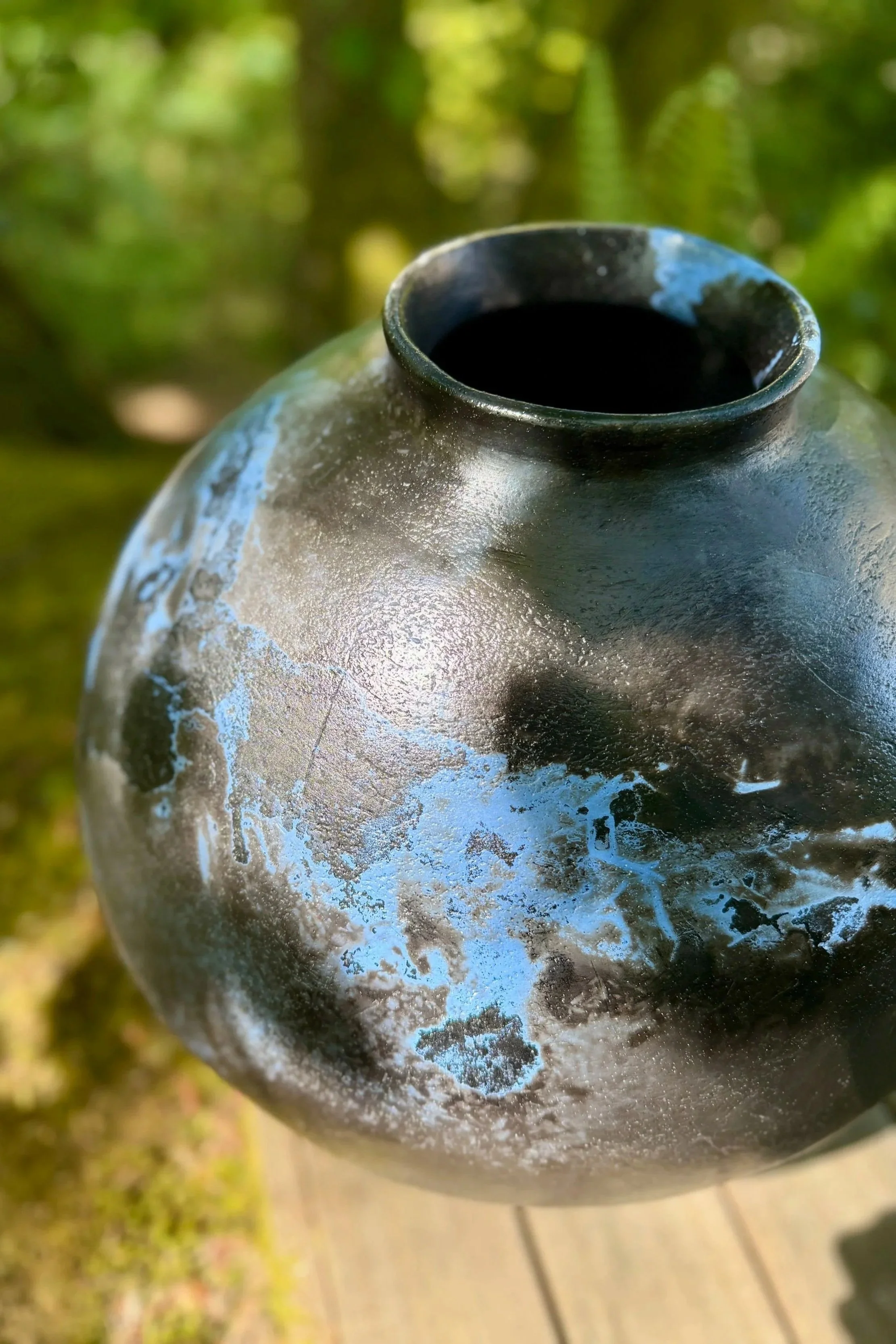
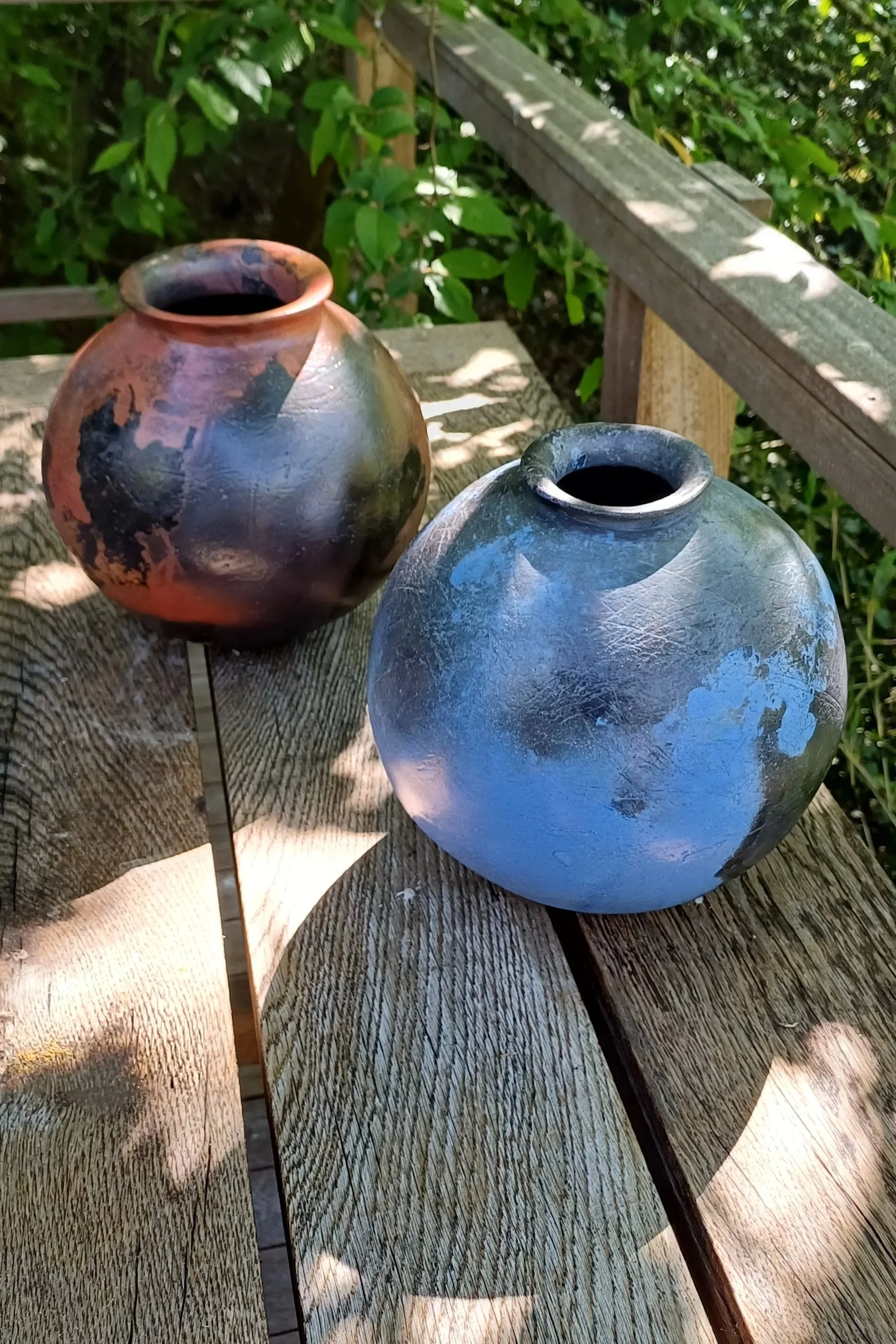
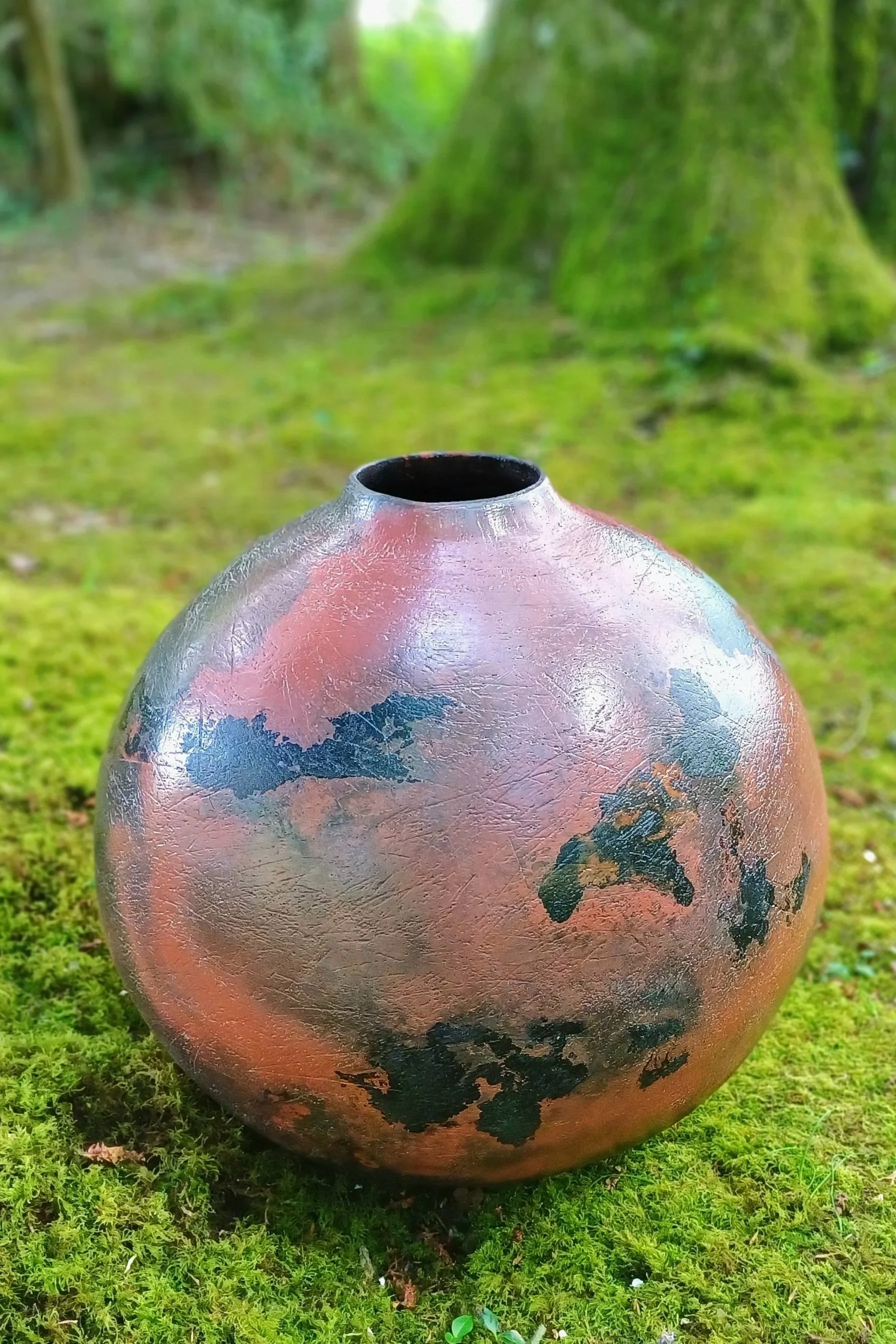
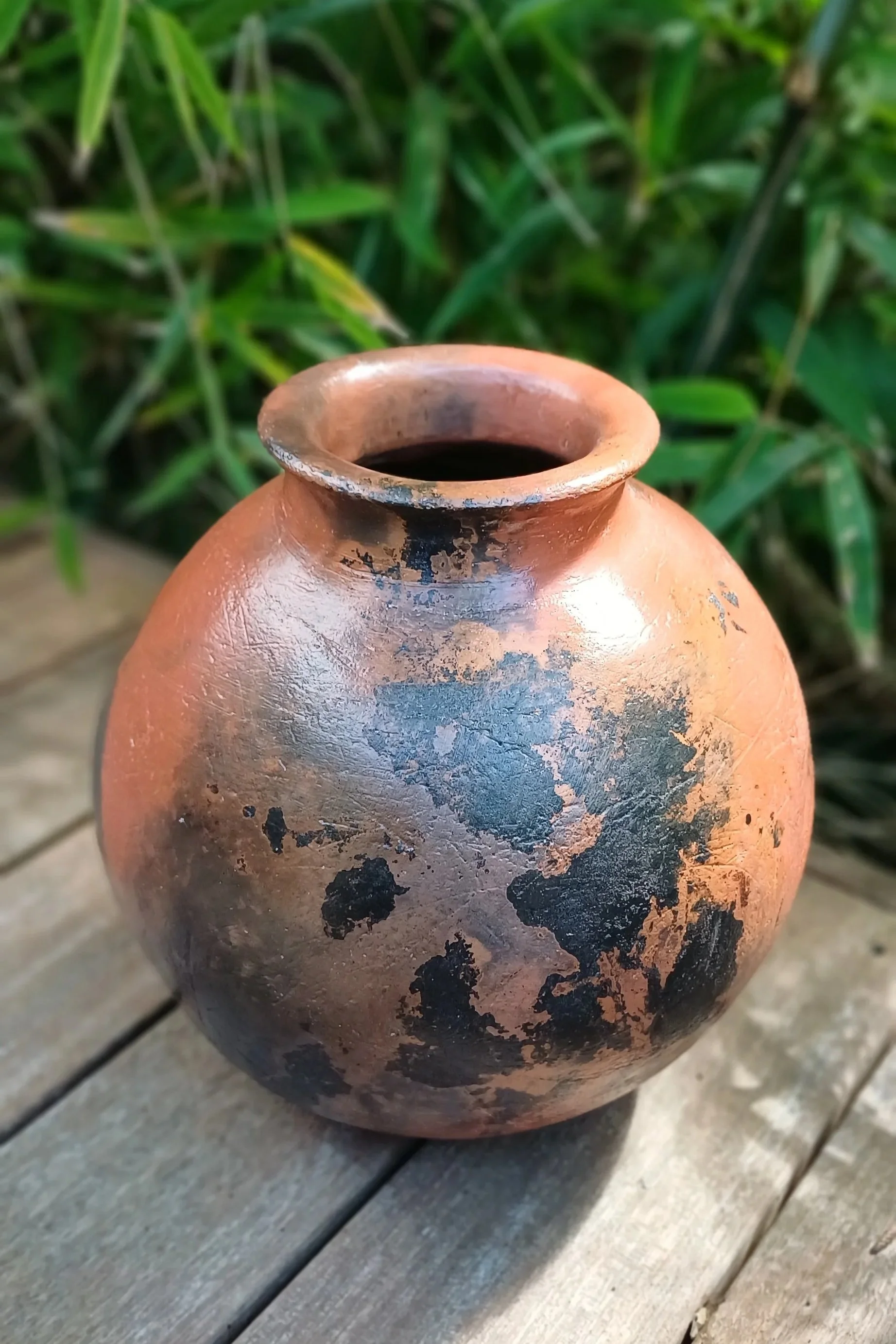
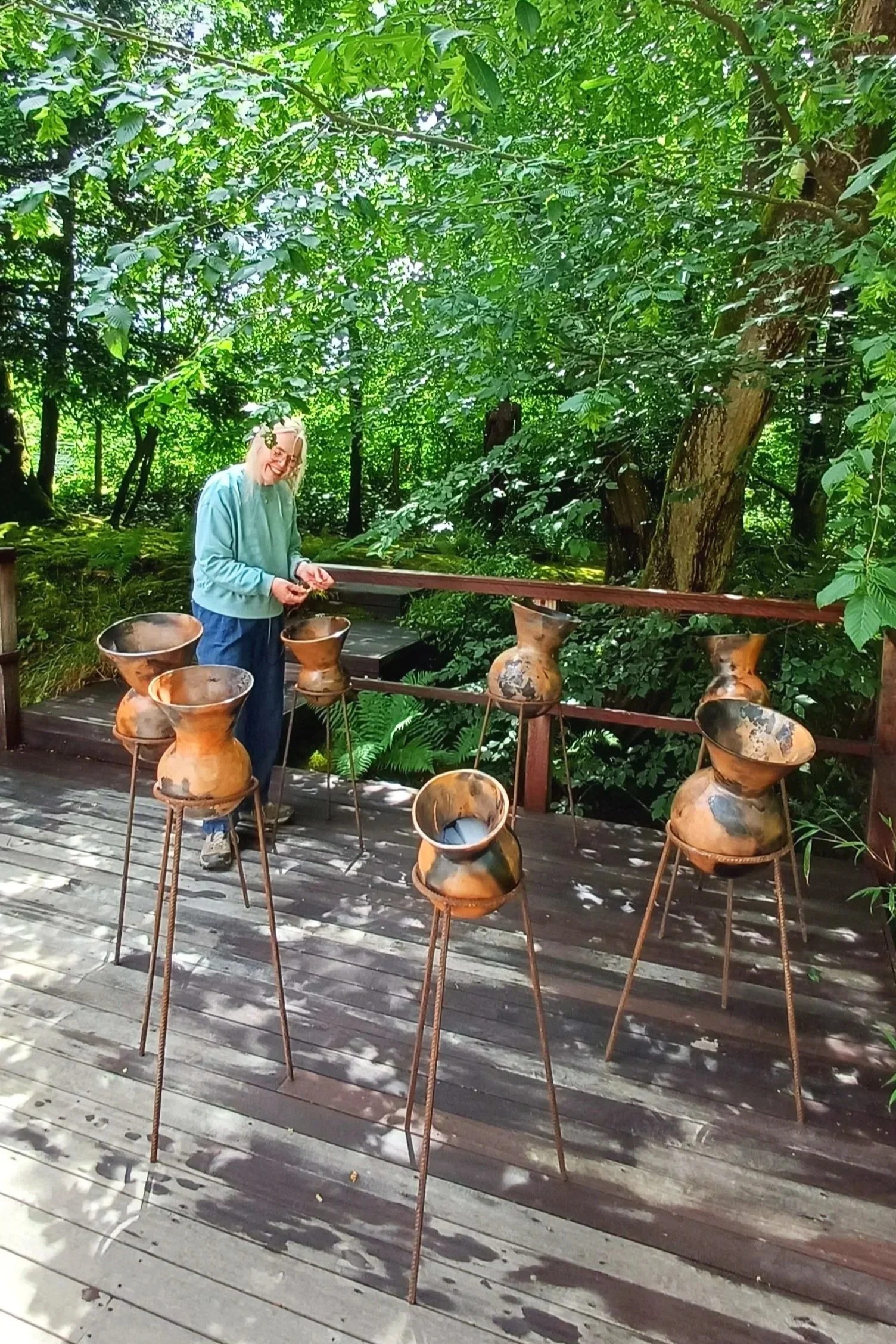
Outdoor Sculpture
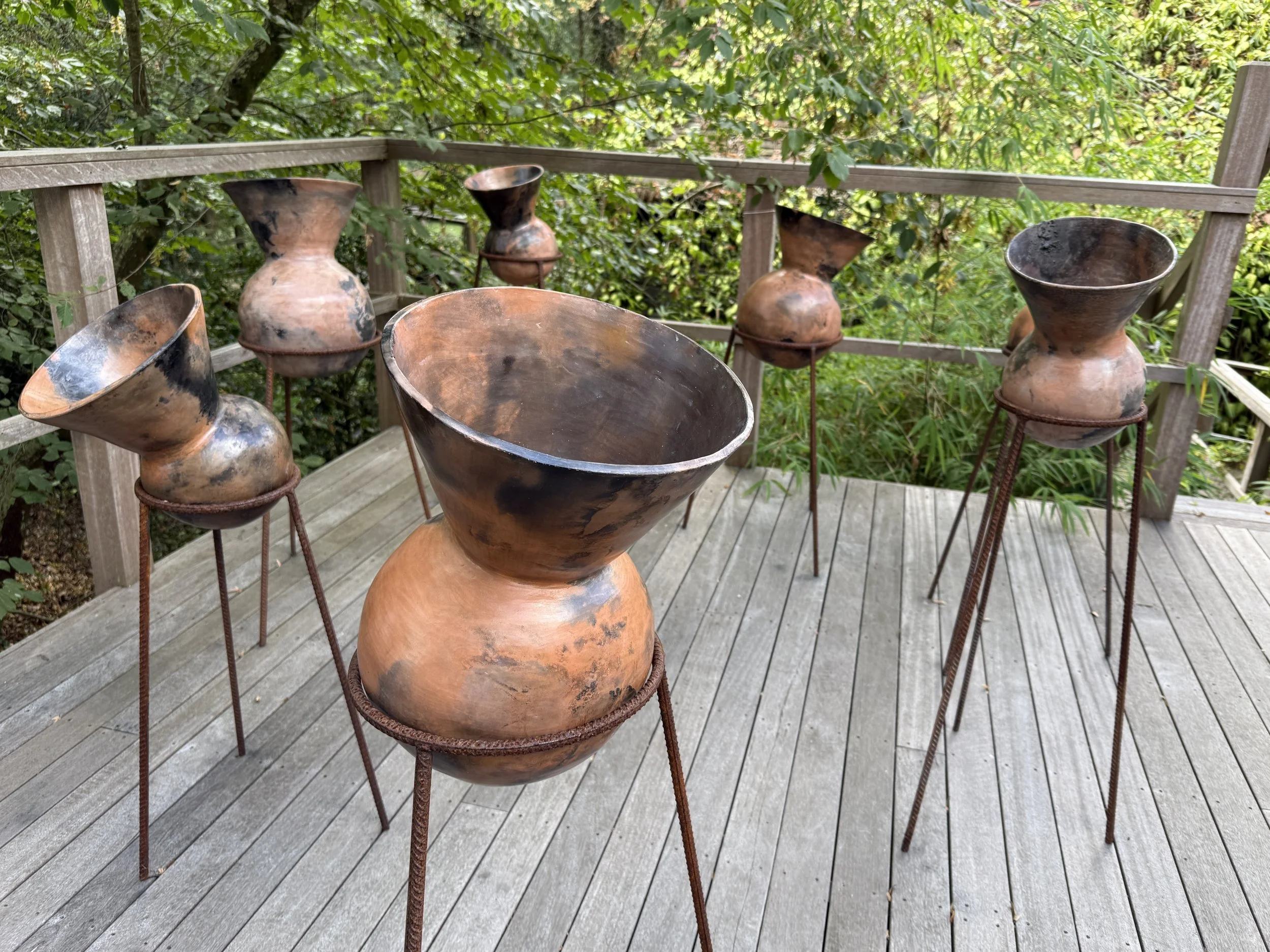
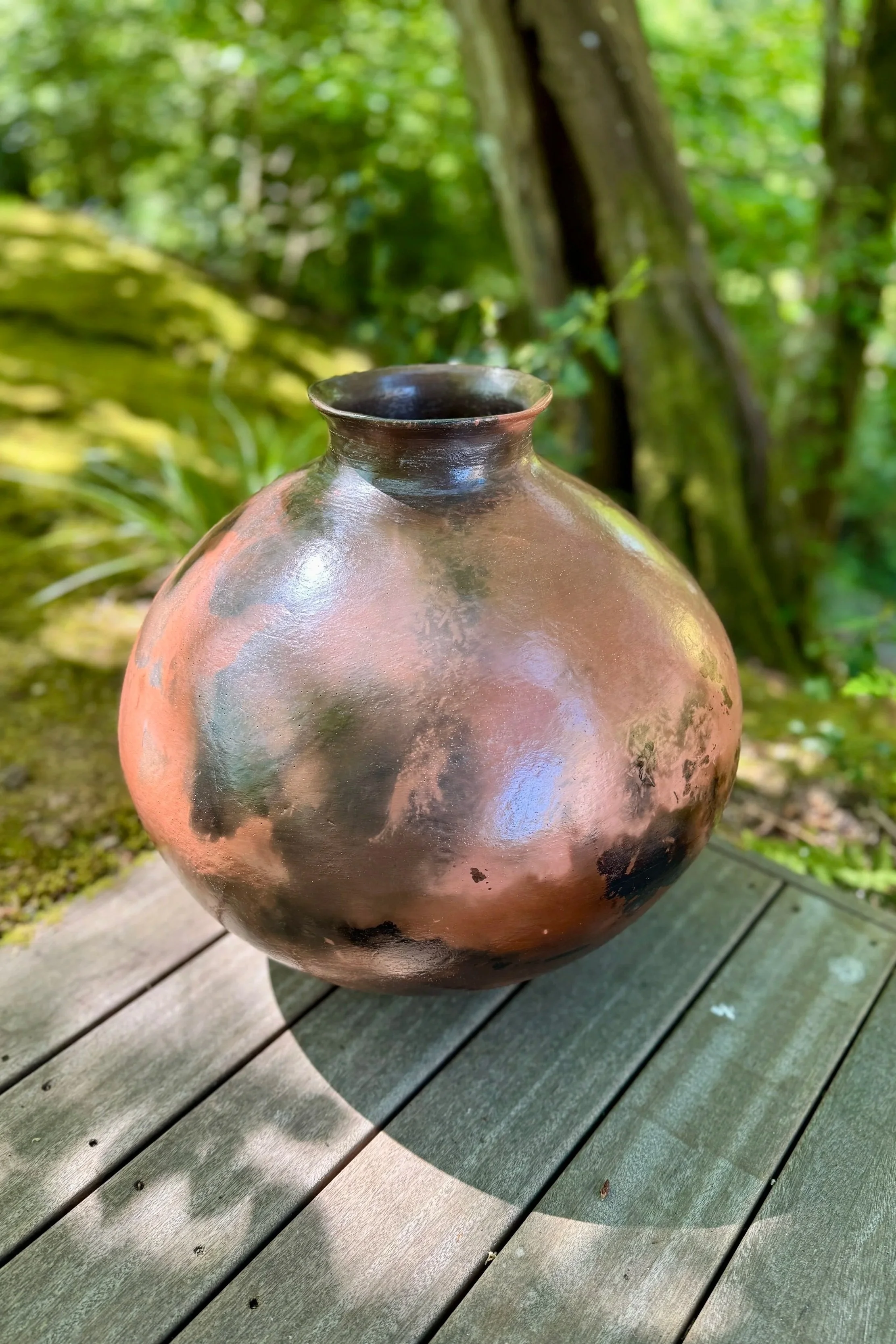
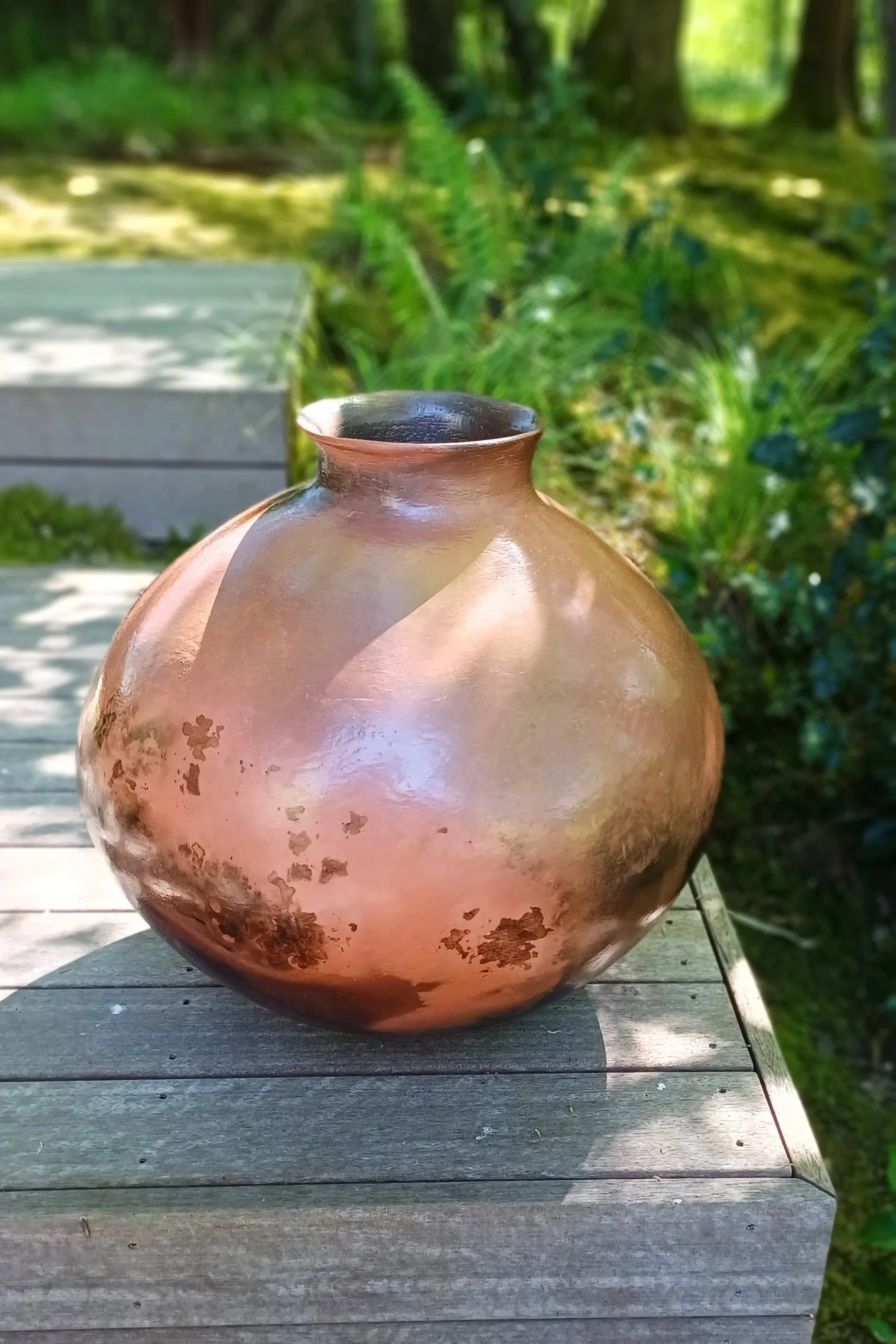
‘The Undertow’
ceramics and sound
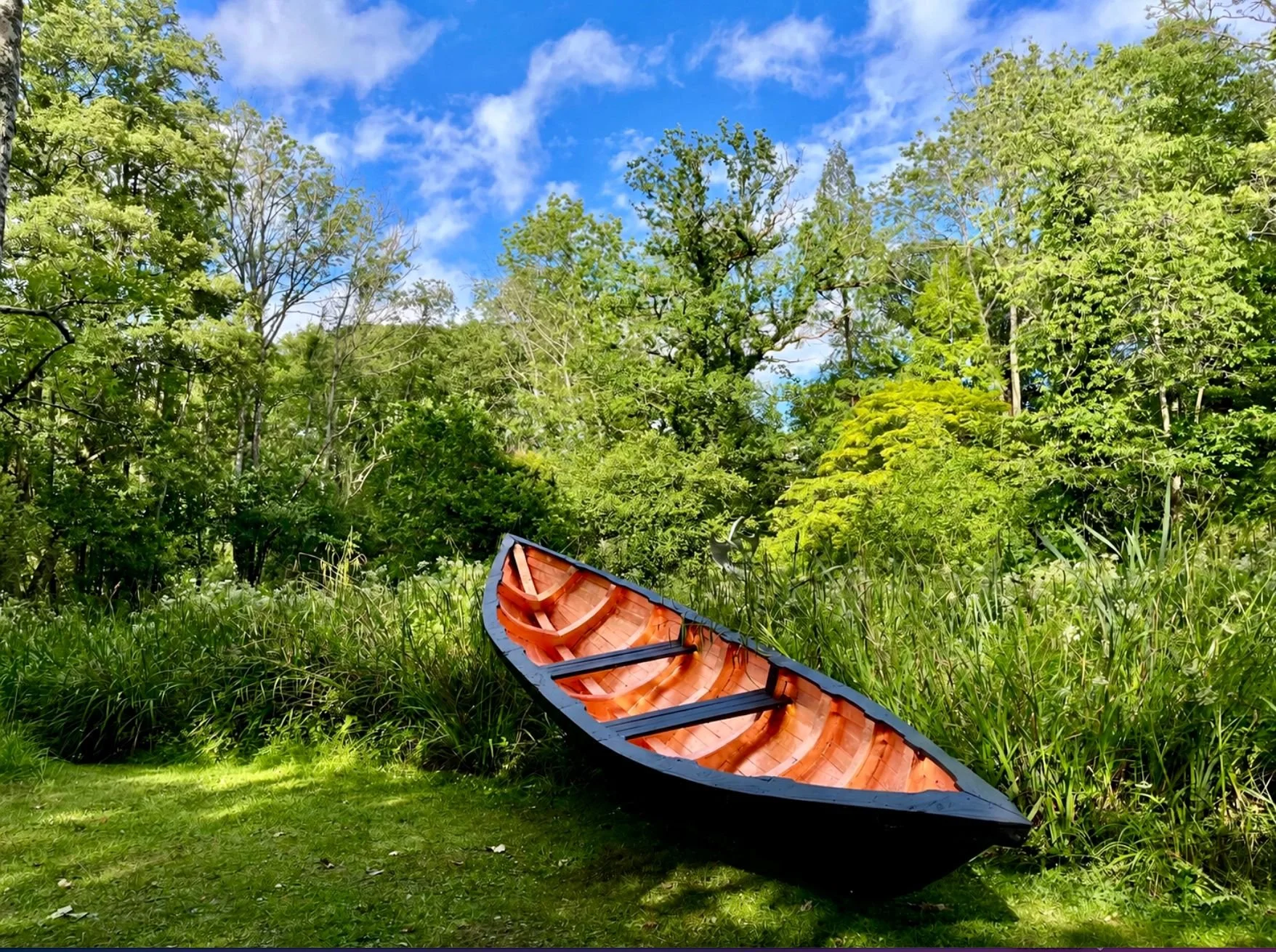
‘A Conversation with My Mother’
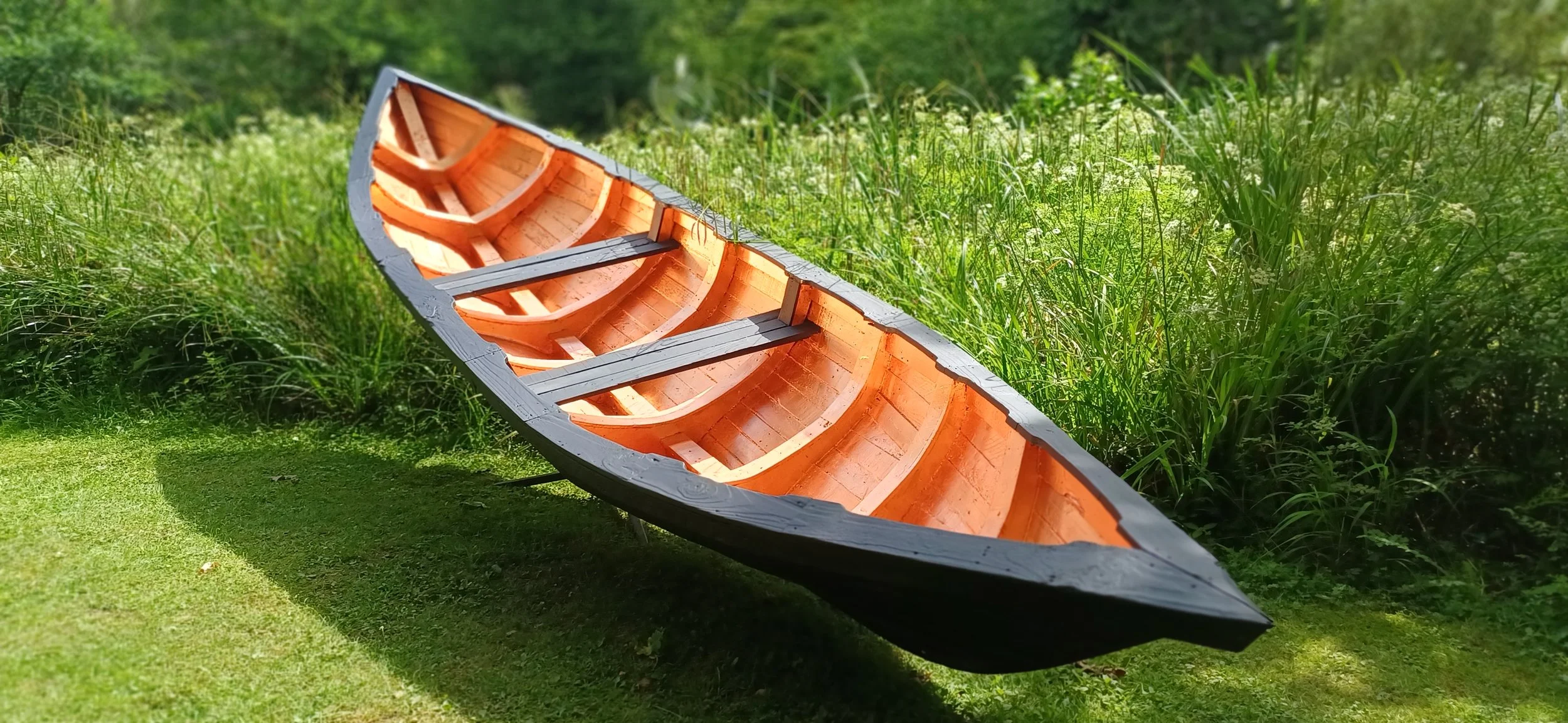
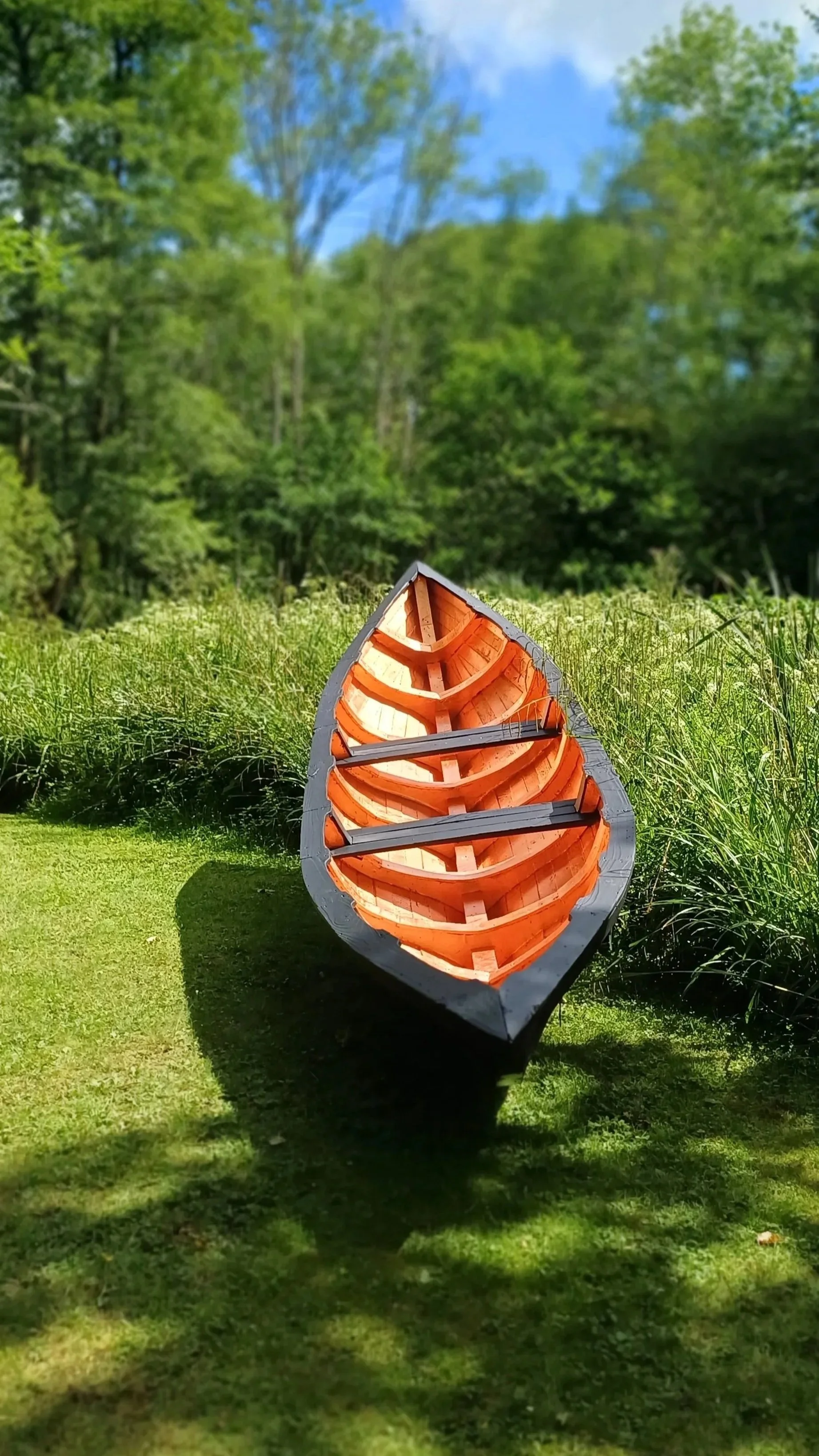
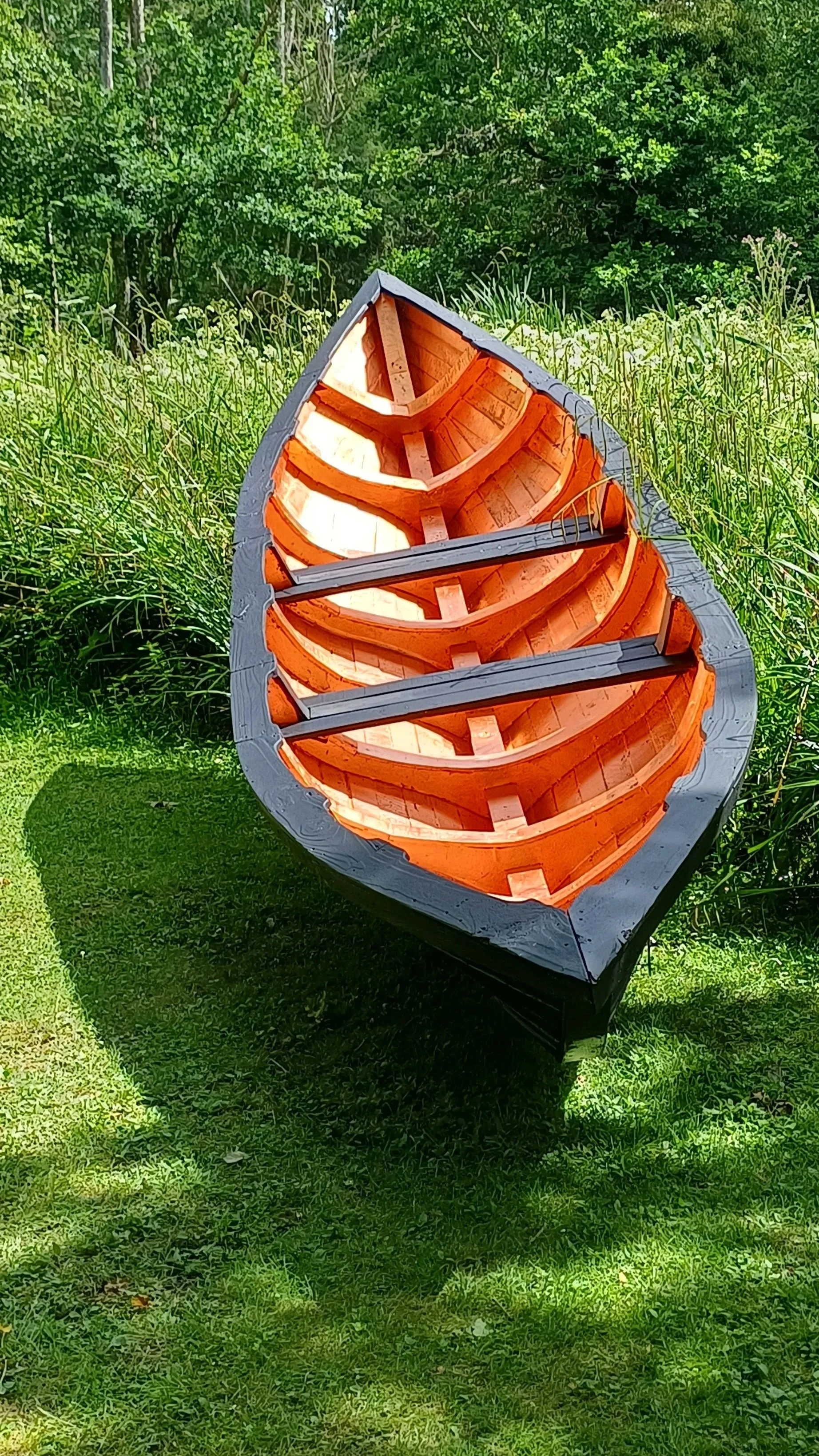
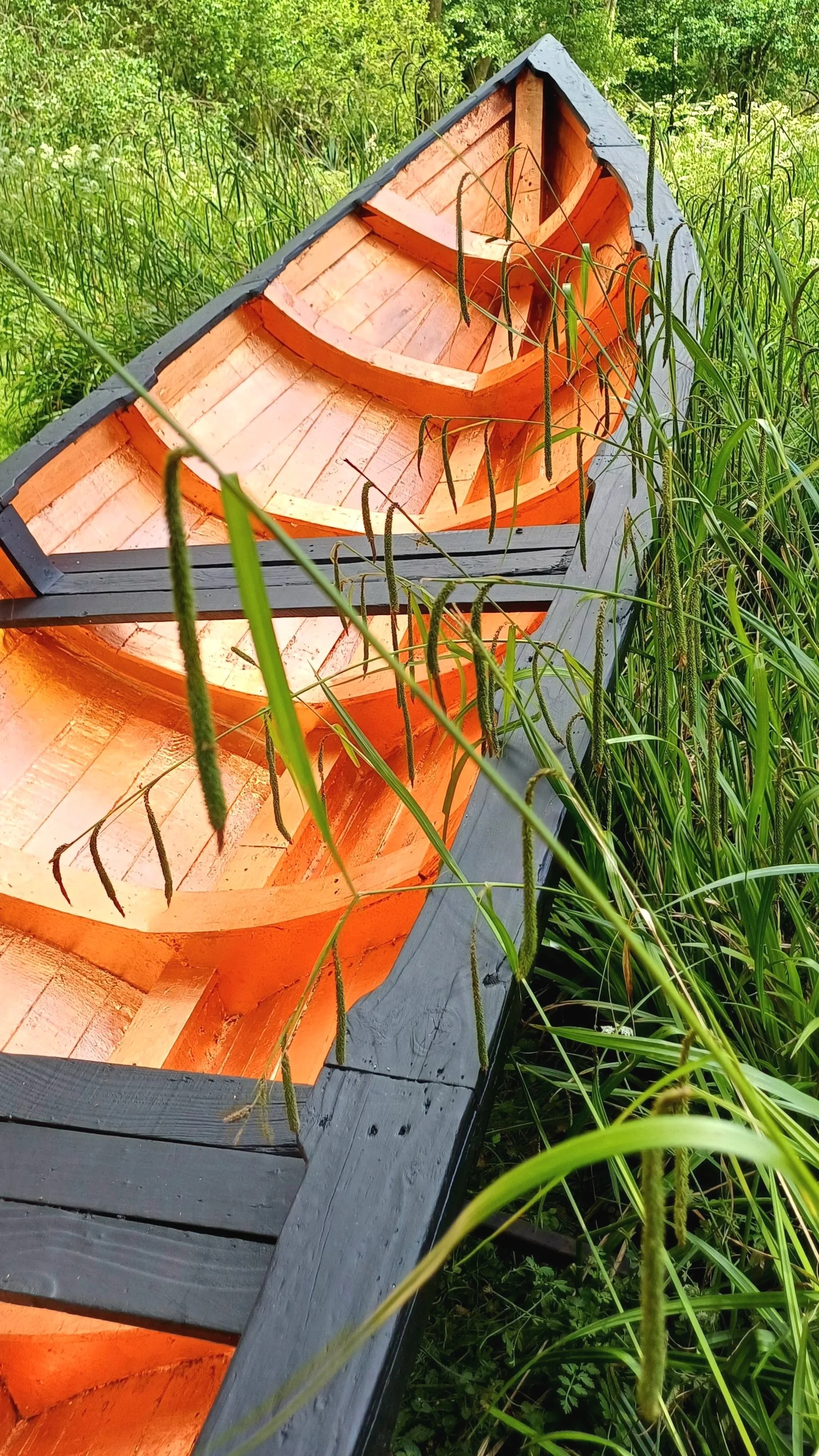
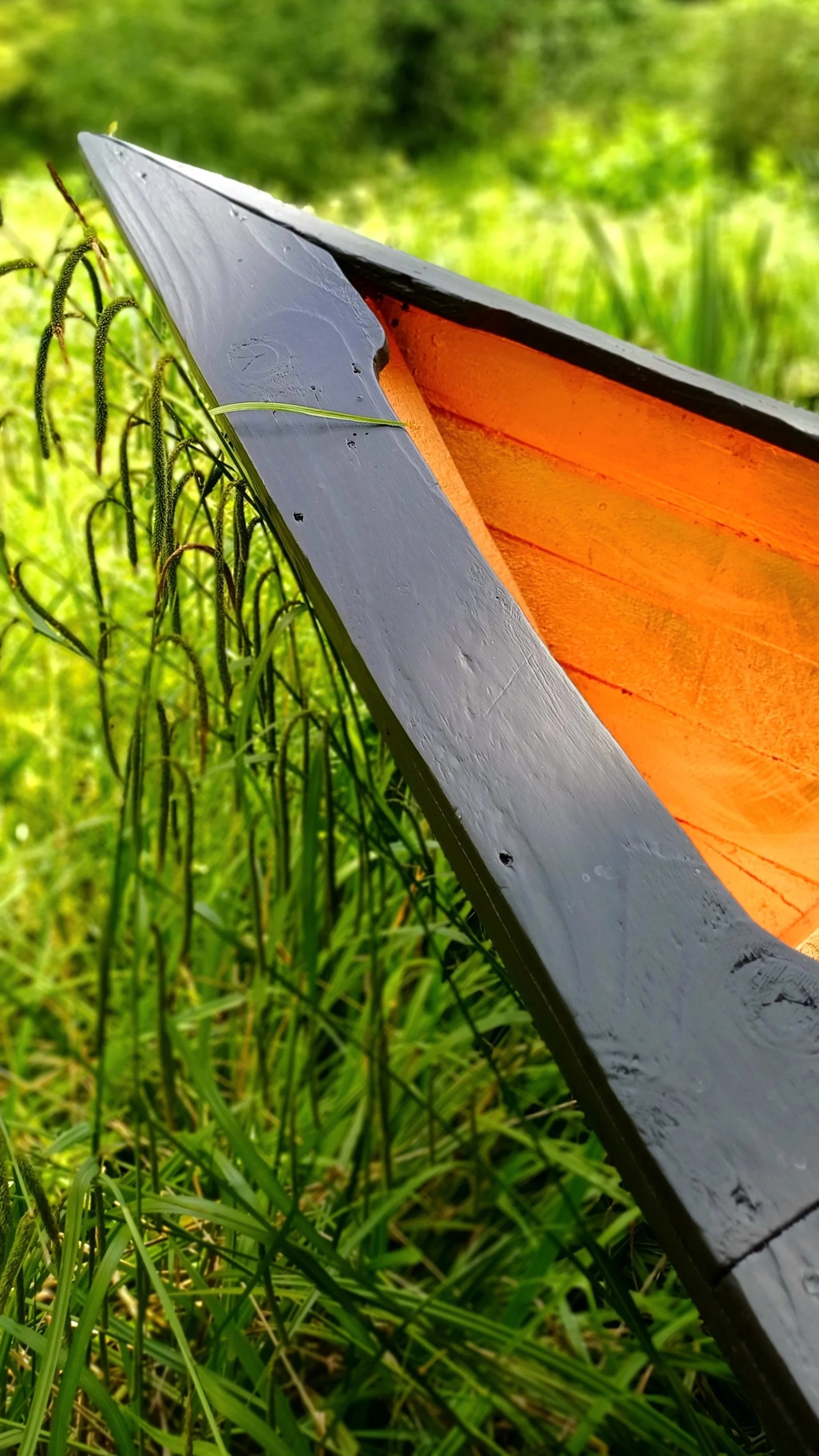
14' foot-long boat coated with copper leaf, sound
‘A Conversation with My Mother’
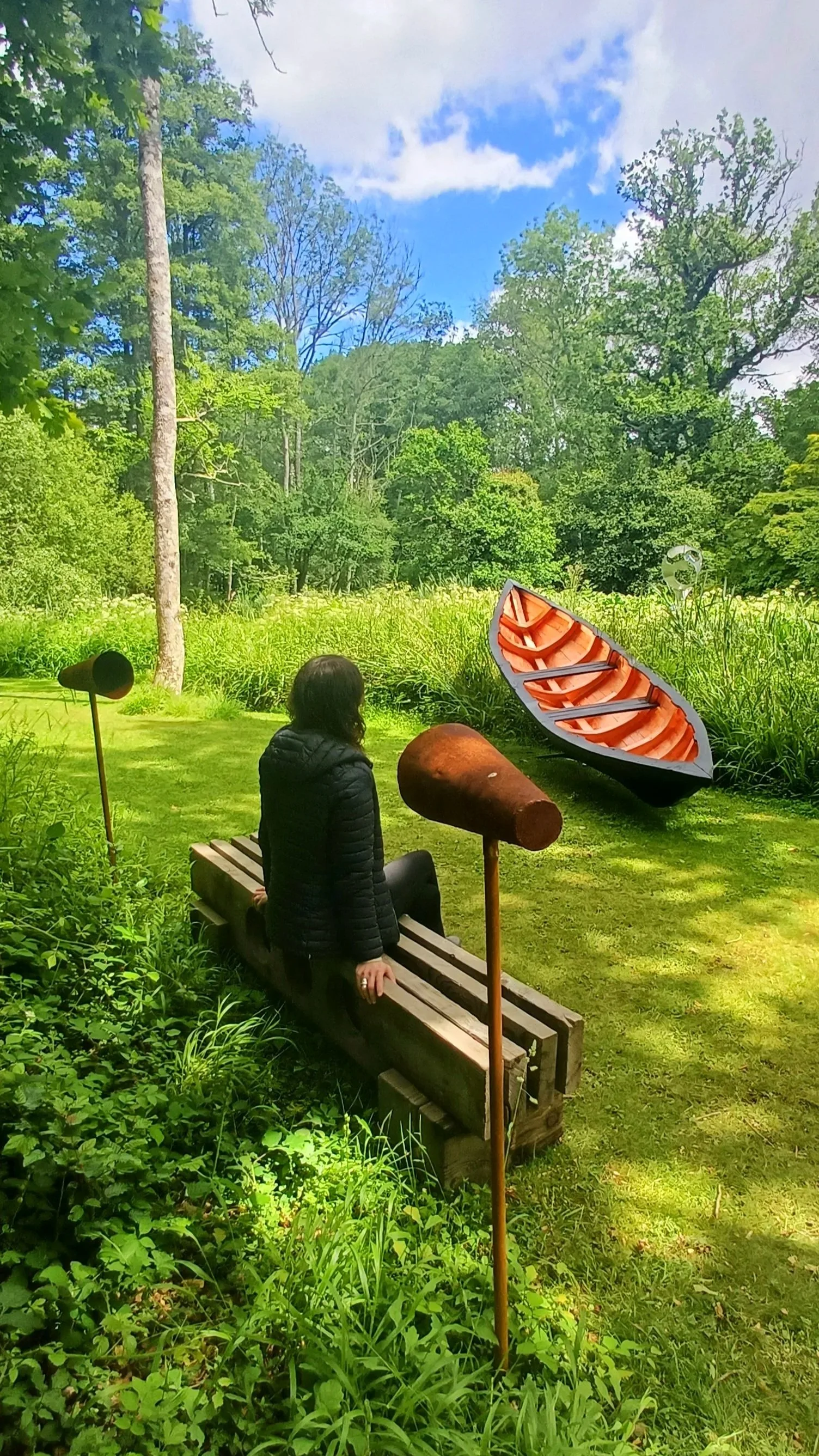
A Conversation with My Mother began with an extraordinary dream experienced during the artist’s mother’s dementia. After eight years without speech, Mary Branson dreamt that she and her mother sat together in a skiff, her mother’s voice startlingly loud and clear — so vivid that she woke believing she was beside her in the room.
Situated beside the lake, visitors are invited to sit on an aged wooden bench between two weathered megaphones and listen to mother and daughter reciting John Clare’s poem Insects. Beginning in unison, the shared rhythm gradually fractures as white noise grows and one voice slowly recedes, leaving the other to continue alone.
Drawing on a recording made in 2011, when Branson’s mother could still recite poetry though conversation had become impossible, the work reflects on the altered landscape of communication shaped by dementia — the fragile rhythms of intimacy, memory and the experience of loving someone who is both present and slowly leaving.
At its centre rests a blackened skiff lined with copper, a vessel born directly from dream, carrying connection, absence and the enduring echoes of relationship.