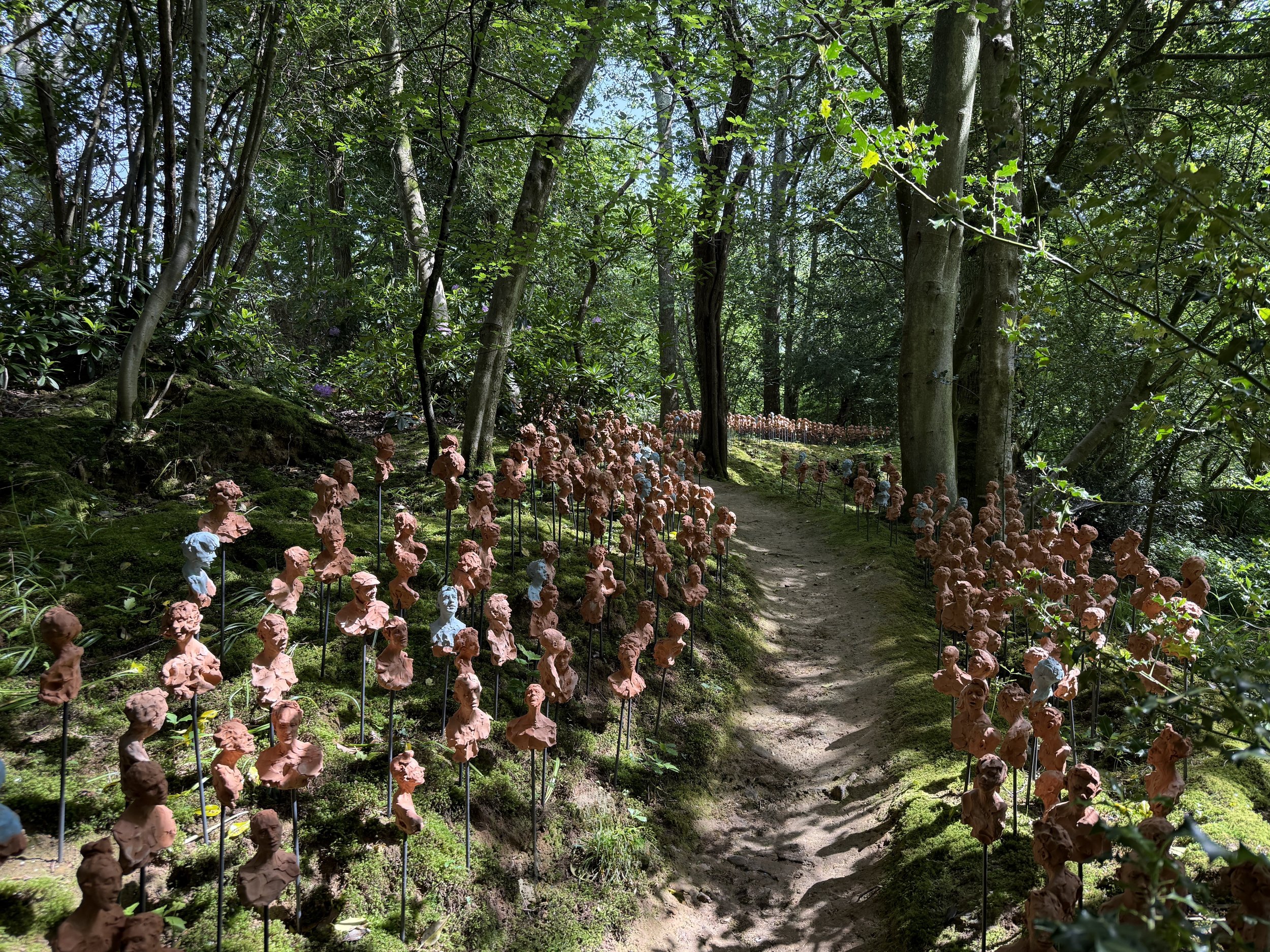
“The Choir of the Innocents” is a project that began more than 15 years ago in a simplified form, composed of thousands of small ceramic portraits. In its initial version, the work functioned as a direct tool for social engagement, activating communities in public spaces and supporting humanitarian causes through collaborations with non-governmental organizations. This first iteration was exhibited exclusively in Romania primarily as a series of street exhibitions creating an immediate and unmediated dialogue with the public.
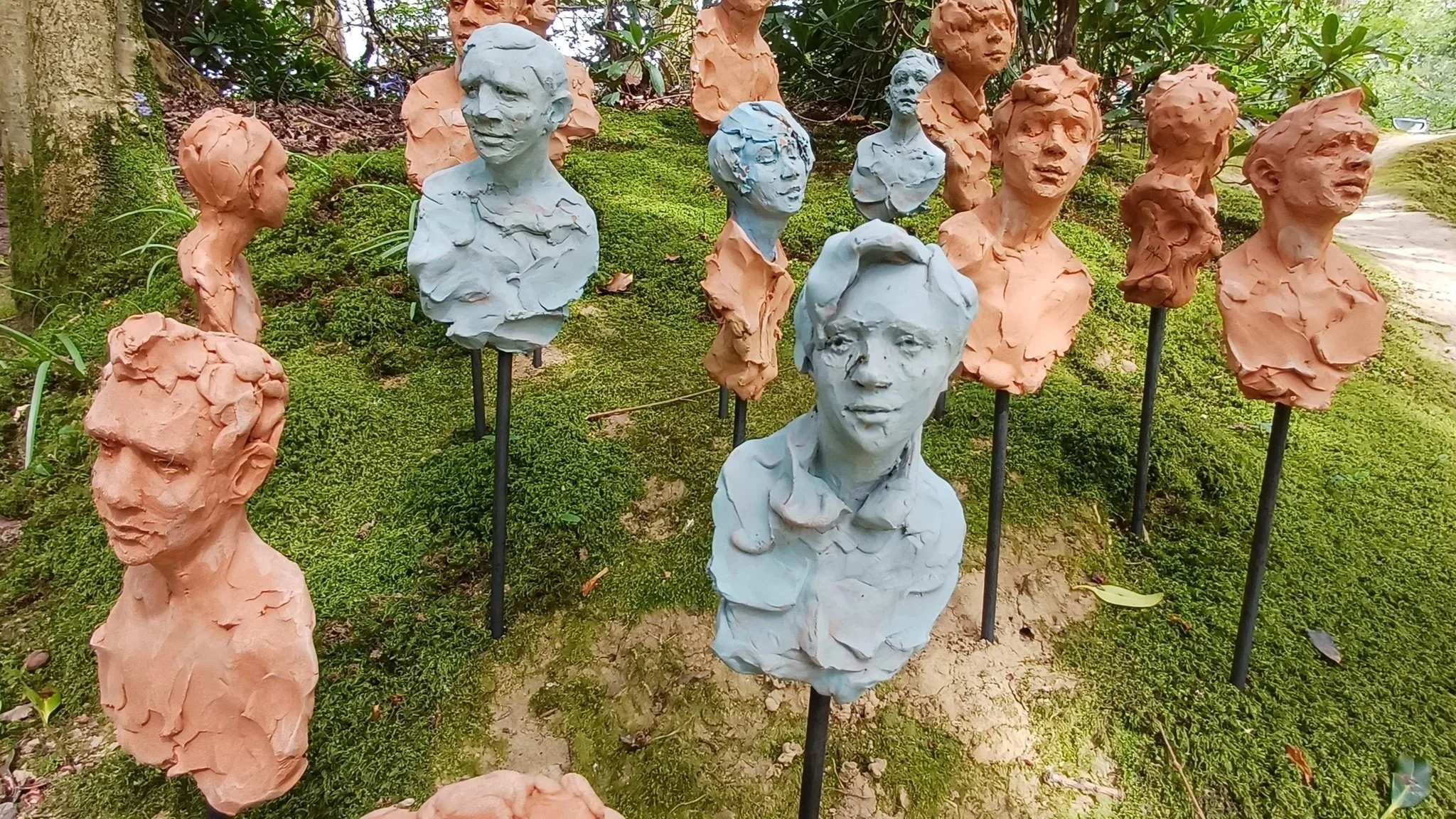
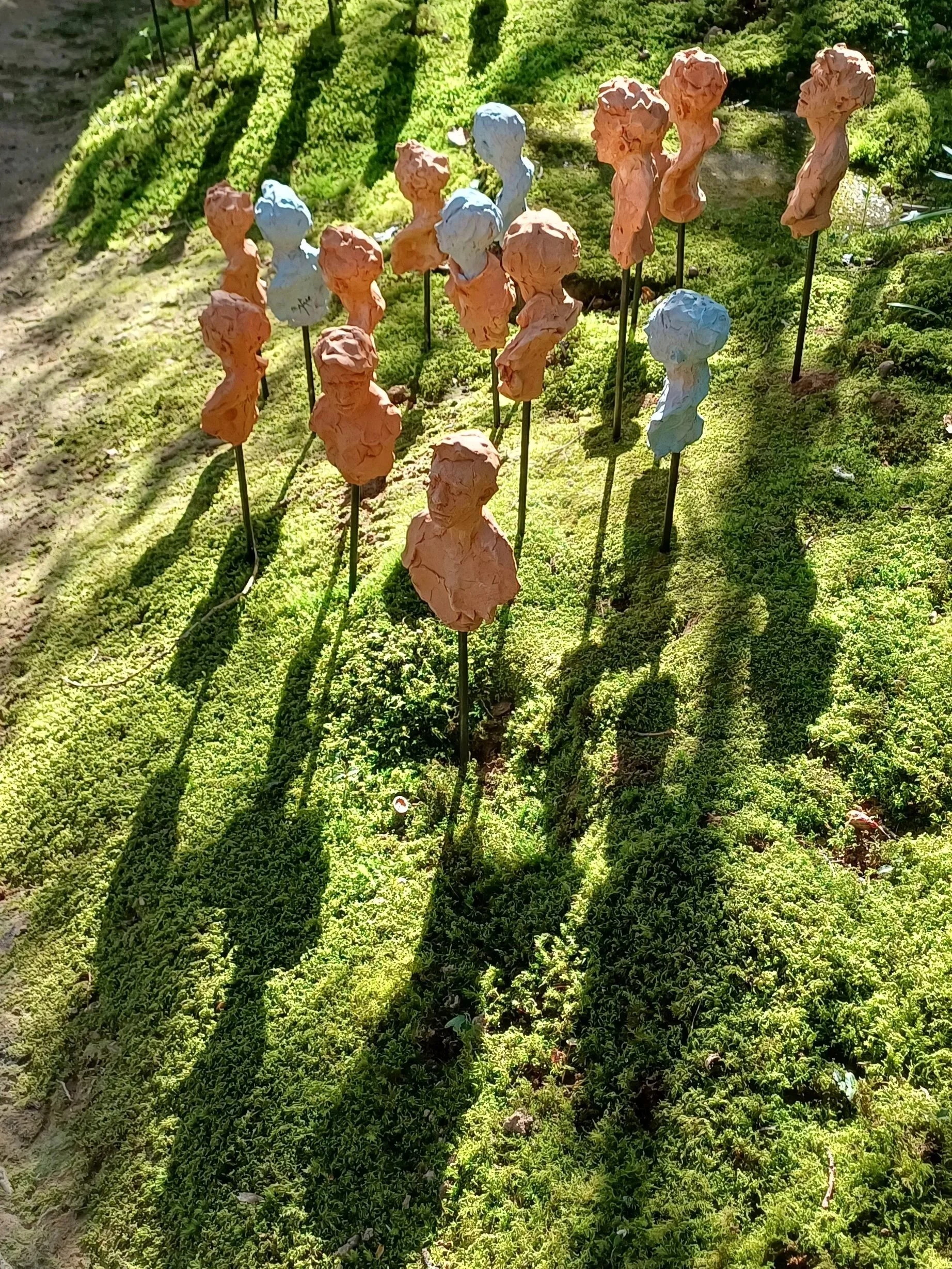
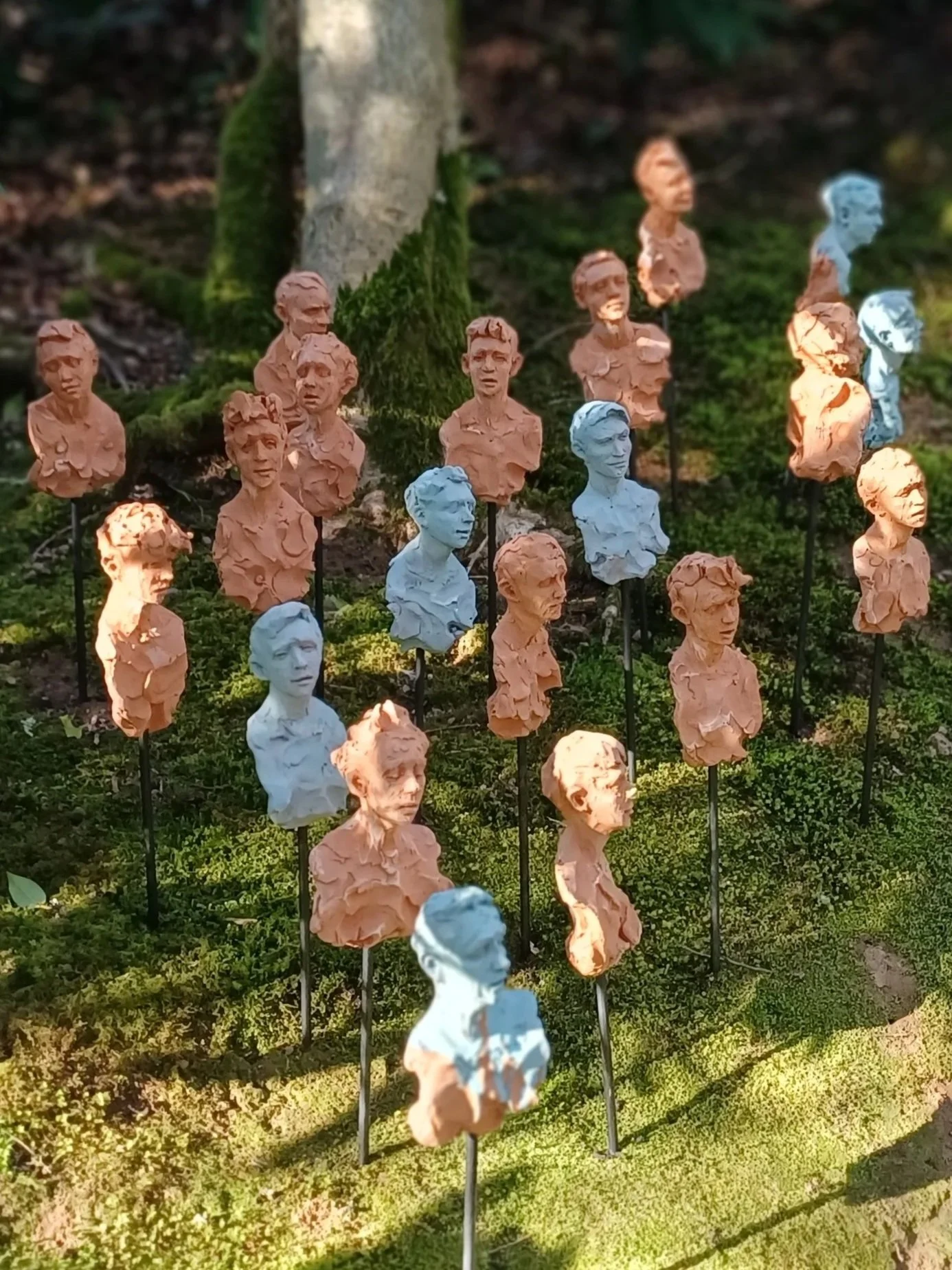
The project succeeded in mobilising communities to directly support children with physical disabilities, contributing to physiotherapy costs, palliative care, and oncological treatments. It created a space in which empathy was not abstract, but translated into concrete action. The blue portraits marked the presence of the vulnerable among us, never separating them from the others. Always integrated within the whole, they suggested a community in which fragility is not excluded, but coexists with strength.
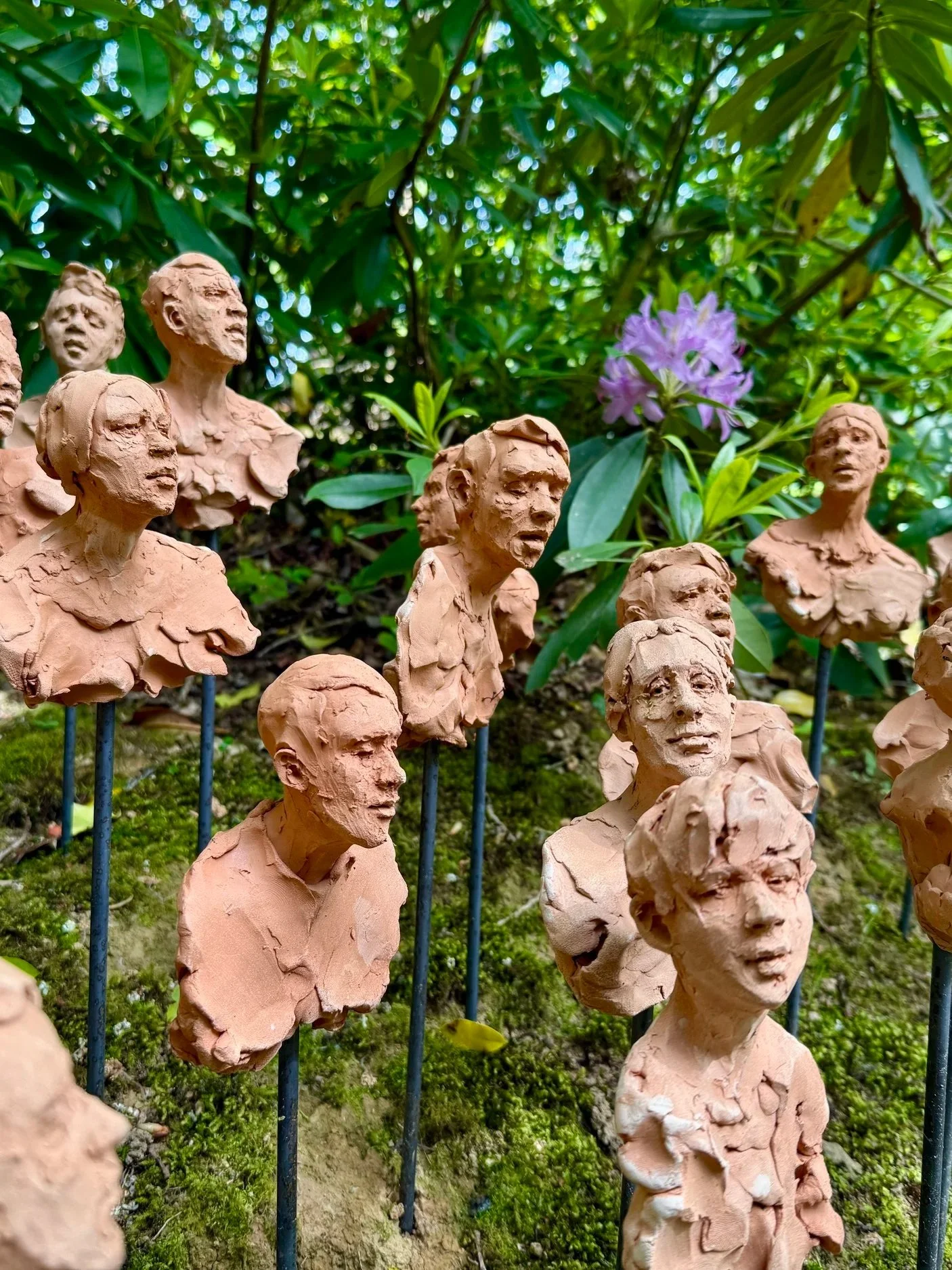
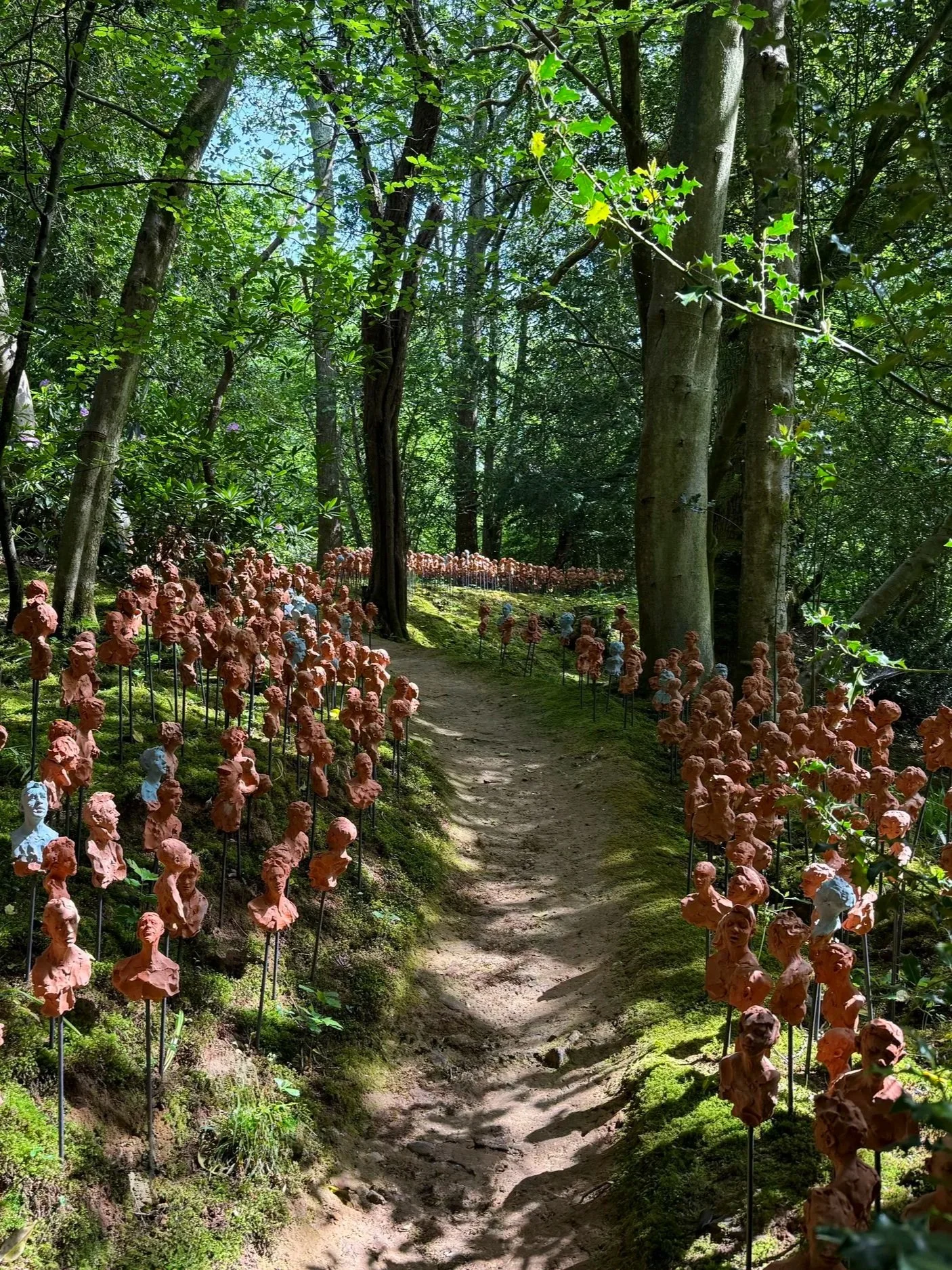
The current form of “The Choir of the Innocents” is not a continuation, but a return; the work is being reconstructed at a different scale and with a greater level of complexity. Each portrait is individually modeled, with no two being identical, and their accumulation creates a collective presence that exceeds the sum of its parts. At present, the 1000 fired portraits represent only a fragment of the work. The project remains in progress, gradually expanding towards a total of 5000 pieces.
The firing of each piece marks an irreversible moment, transforming initial fragility into a preserved one. In this sense, the work becomes not only an accumulation of forms, but also an accumulation of time, gesture, and experience. This project is sustained independently, as a long-term personal commitment by the artist. It is driven by the belief that such work must remain grounded in direct human intention, rather than external frameworks.
Today, the aim is to reactivate the same capacity for connection and collective response, and to extend it further. The work seeks to address forms of social fracture, including bullying, in a time when divisions between people are becoming increasingly pronounced. “The Choir of the Innocents” proposes a quiet, persistent counterpoint — a collective presence built from individual gestures, where each face matters, and none stands alone.
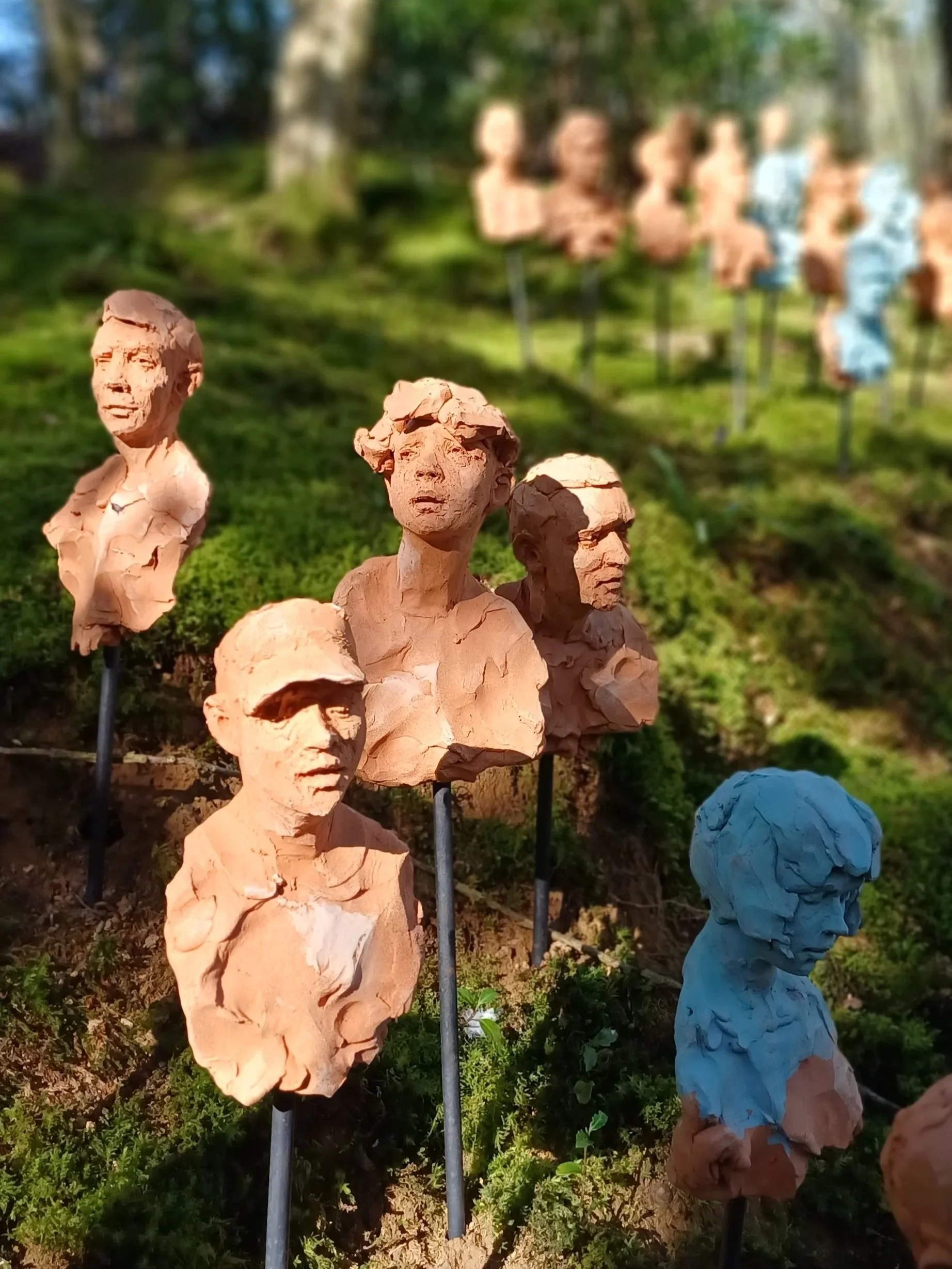
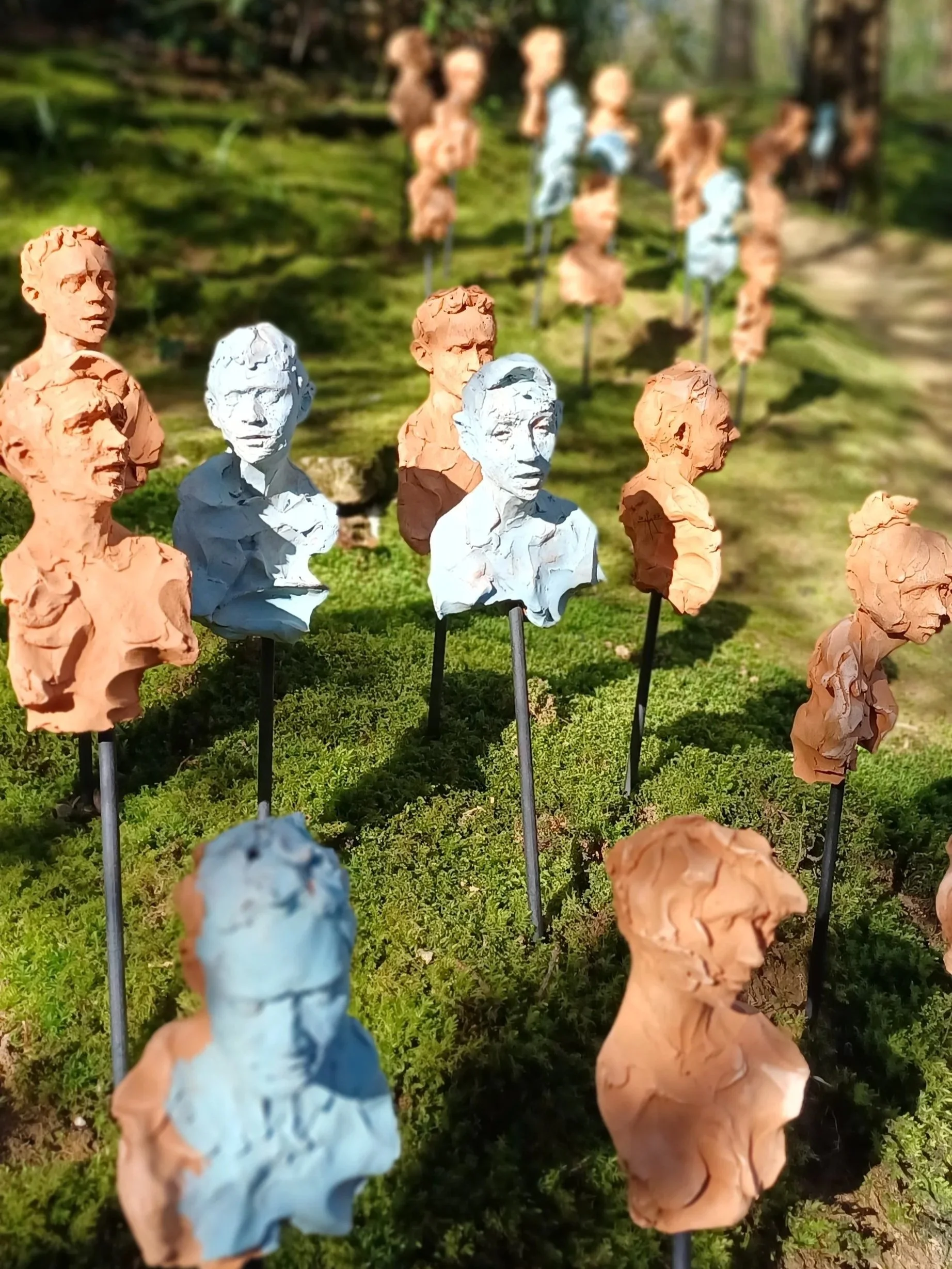
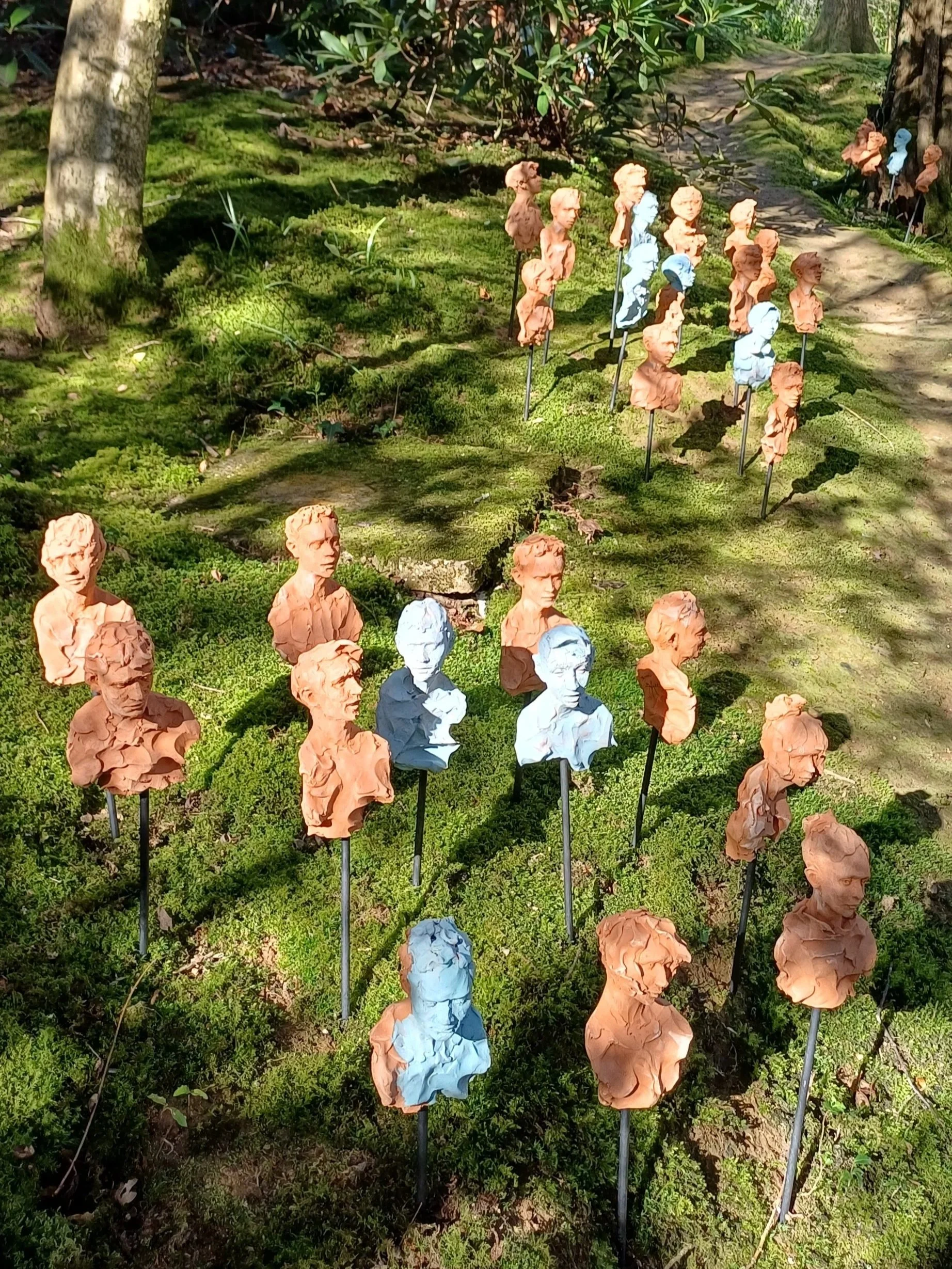
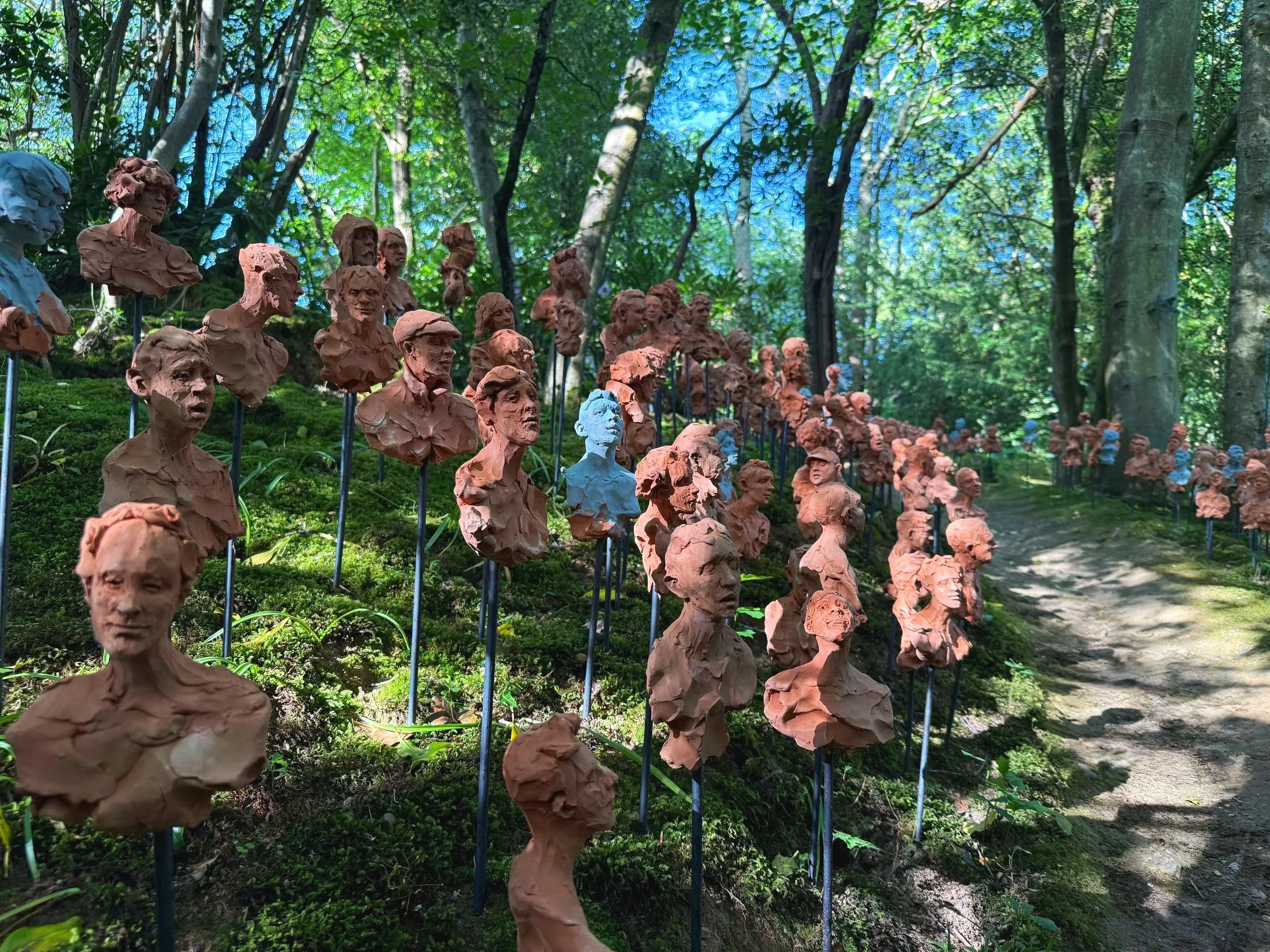
‘The Choir of the Innocents’
Ceramics on steel stalks